


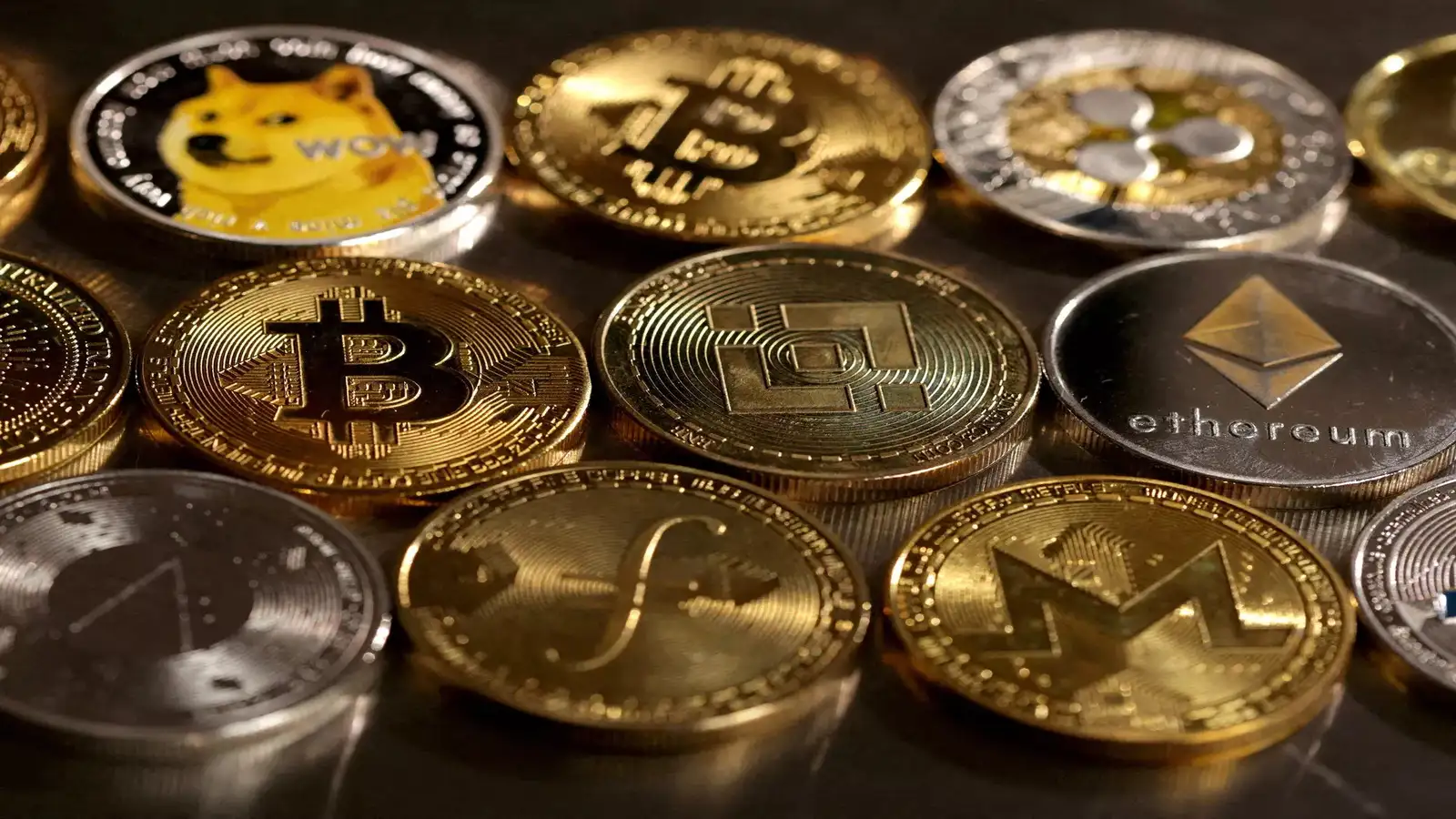
There was a time when talking about cryptocurrency almost automatically meant talking about Bitcoin.
Today, the situation is very different.
Thousands of digital assets exist, blockchain networks compete for users and new projects appear regularly. Ethereum has built a major ecosystem, stablecoins are widely used within digital-asset markets, and countless other cryptocurrencies are trying to solve specific problems.
So a reasonable question has emerged: does Bitcoin still matter?
The short answer is yes, although its role has changed.
Bitcoin is no longer the only interesting part of the crypto industry. It remains, however, one of the most important assets to understand if you want to make sense of the wider digital-asset market.
Myth 1: Bitcoin Has Become Outdated
Bitcoin is often criticised for being older technology compared with newer blockchain networks.
There is some truth behind the comparison. Bitcoin was designed with a relatively focused purpose, while newer networks have introduced features aimed at applications, smart contracts and other forms of blockchain activity.
But being older does not automatically make a technology irrelevant.
Bitcoin’s design prioritises decentralisation, security and monetary scarcity. It was never intended to become an all-purpose blockchain for every possible application.
That focused approach is part of its identity.
Instead of constantly adding features, the Bitcoin ecosystem has generally placed considerable importance on preserving the network’s core characteristics.
For supporters, that stability is a strength rather than a weakness.
Myth 2: Bitcoin Is Just Another Cryptocurrency
Technically, Bitcoin is a cryptocurrency.
Economically, however, it occupies a very different position from many smaller digital assets.
Bitcoin has the largest market presence among cryptocurrencies and has developed a level of recognition that most other tokens have not reached.
It is followed by individual investors, financial institutions, technology companies and regulators.
That does not mean every investor should own it.
It means Bitcoin has become an important reference point for the digital-asset industry.
When Bitcoin moves sharply, the wider crypto market often reacts.
When major Bitcoin-related regulation or infrastructure changes, other parts of the industry can be affected as well.
Myth 3: Bitcoin’s Main Purpose Is Everyday Shopping
Bitcoin’s original concept focused heavily on digital peer-to-peer payments.
Over time, however, its practical role has expanded.
Some people use Bitcoin for payments.
Others hold it as an alternative asset.
Some investors view it as a potential store of value because of its limited supply.
Others are primarily interested in the technology and the decentralised financial model behind it.
This variety of uses means there is no single definition of what Bitcoin represents.
A German investor looking at Bitcoin as part of a portfolio may have a completely different objective from someone using it to transfer funds internationally.
The important point is to understand the asset rather than assume that everyone is using it for the same reason.
Myth 4: Bitcoin’s Limited Supply Guarantees Higher Prices
Bitcoin has a maximum supply of 21 million coins.
This is one of its most important characteristics and a major part of the argument made by people who see Bitcoin as a scarce digital asset.
But scarcity does not guarantee appreciation.
Demand still determines market value.
If demand increases while supply remains constrained, prices can rise.
If demand weakens, prices can fall.
That is why Bitcoin should not be viewed as a guaranteed investment simply because its supply is limited.
Scarcity is one part of the equation.
Adoption, liquidity, investor sentiment, economic conditions and market expectations also matter.
Myth 5: Bitcoin Is Controlled by One Company
This is one of the easiest misconceptions to clear up.
There is no single company that owns or controls the Bitcoin network.
Bitcoin is maintained by a distributed ecosystem of participants, including nodes, miners, developers, users and businesses.
The software follows a defined set of consensus rules.
Changing those rules is not as simple as one company deciding to update a private database.
This decentralised structure is one of the reasons Bitcoin has attracted so much attention from people interested in alternatives to traditional financial systems.
It also creates challenges.
Decentralised systems can be more difficult to upgrade, coordinate and govern than centrally controlled platforms.
That trade-off is part of what makes Bitcoin different.
Myth 6: Bitcoin Is Completely Anonymous
Bitcoin is often described as anonymous, but that description is misleading.
Bitcoin transactions are recorded on a public blockchain.
Anyone can examine transaction activity associated with Bitcoin addresses, although an address does not automatically reveal the real-world identity of its owner.
This is better described as pseudonymous rather than completely anonymous.
Once an address becomes connected to a person’s identity through an exchange, transaction history or other information, blockchain activity can potentially become much easier to analyse.
For German users, this is particularly relevant because crypto activity can have regulatory and tax implications.
Privacy should therefore never be confused with invisibility.
Myth 7: Bitcoin and Traditional Finance Are Completely Separate
This may have been a more reasonable description during Bitcoin’s early years.
It is much harder to make today.
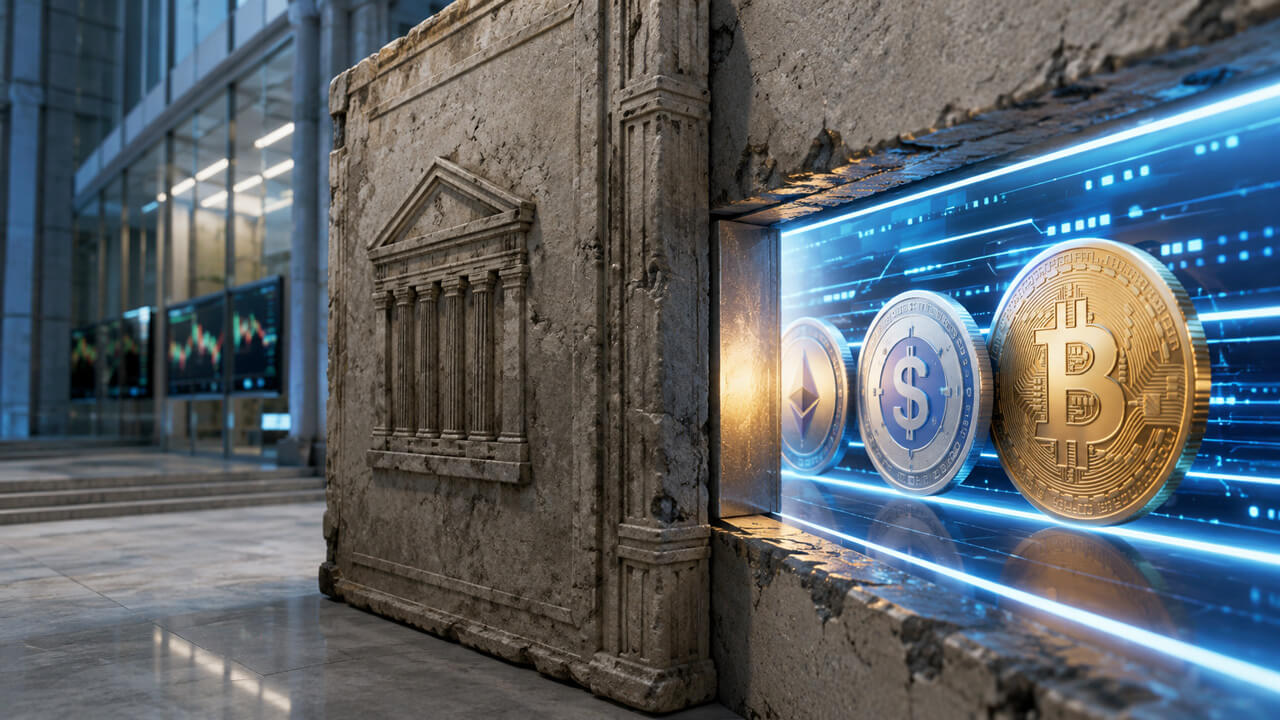
Bitcoin is increasingly discussed alongside traditional investment products, financial institutions, custody services and broader market infrastructure.
The boundaries between traditional finance and digital assets have become less obvious.
For German and European investors, this development is particularly interesting because the regulatory environment is evolving alongside the market.
Banks, investment firms and financial technology companies are exploring ways to interact with digital assets while operating within regulatory frameworks.
That does not eliminate Bitcoin’s risks.
It does show how far the asset has moved from its original niche.
So, What Makes Bitcoin Different?
Bitcoin’s importance is not based on being the newest cryptocurrency.
It is almost the opposite.
Its significance comes from the fact that it has survived multiple market cycles, developed a large global network and remained at the centre of the cryptocurrency conversation for years.
It has also influenced how people think about digital ownership, decentralised networks and monetary scarcity.
Other cryptocurrencies may eventually become more useful for particular applications.
That does not necessarily make Bitcoin irrelevant.
Different blockchain networks can serve different purposes.
What German Readers Should Take Away
For someone in Germany trying to understand the crypto market, Bitcoin remains a useful starting point.
Not because it is guaranteed to outperform other assets.
Not because it is risk-free.
And certainly not because every Bitcoin prediction should be trusted.
It is useful because Bitcoin provides the foundation for understanding many of the ideas that shaped the cryptocurrency industry: decentralisation, blockchain-based ownership, digital scarcity, cryptographic security and peer-to-peer transactions.
The crypto market will continue changing.
New technologies will appear. New projects will compete for attention. Some will succeed, while others will disappear.
Bitcoin may no longer represent the entire crypto industry.
But it remains one of its most important reference points.
And for anyone trying to understand where digital assets are heading, ignoring Bitcoin would be a little like studying the modern internet while skipping its foundations.