
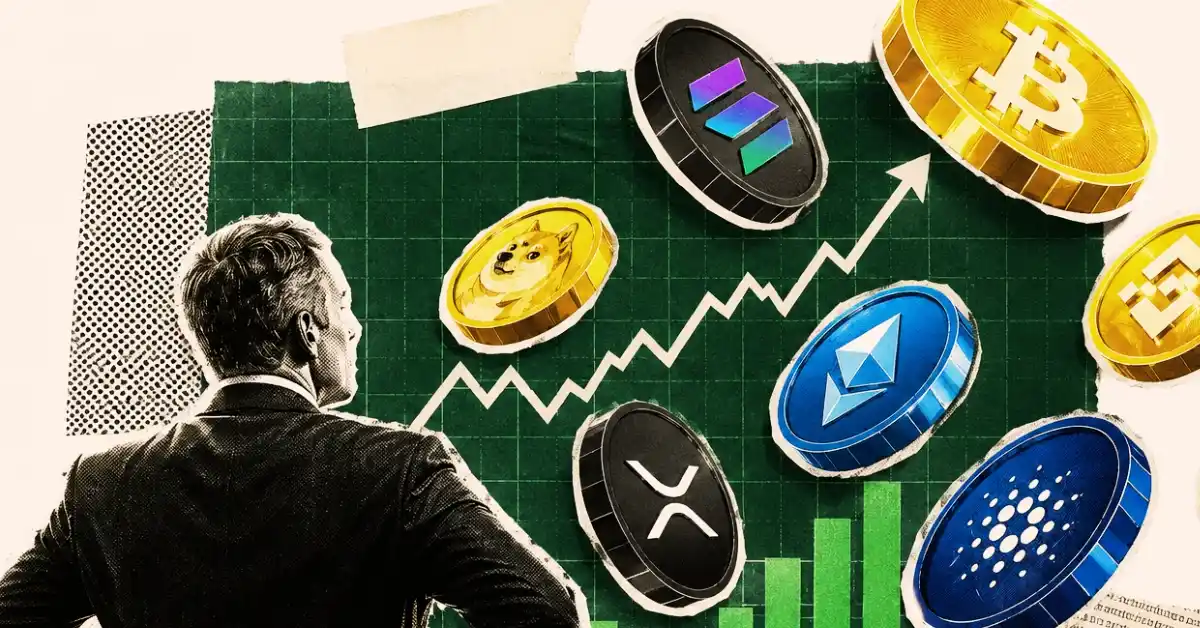

Crypto headlines often focus on prices.
Bitcoin is up.
Ethereum is down.
An altcoin has suddenly gained attention.
But price is only the visible part of the market. Behind every major move, there are people, companies and institutions deciding where to put—or remove—their money.
That movement of capital can tell a much more interesting story.
For crypto readers in Germany, following these signals can provide useful context without getting trapped in the endless cycle of hourly price predictions.
Start With the Most Obvious Question
When a cryptocurrency rises sharply, the first question is usually:
Why is everyone buying?
Sometimes the answer is simple. There may be positive news, increased demand or a broader market rally.
Other times, the reason is much less obvious.
A cryptocurrency can rise because traders expect something positive to happen in the future. Markets often react to expectations before an event actually takes place.
The same works in reverse.
If investors believe a development could hurt a project, selling can begin before the consequences become visible.
That is why market movements often look surprising when viewed only after the fact.
The money may have started moving long before the headline appeared.
Bitcoin Is Often the First Stop
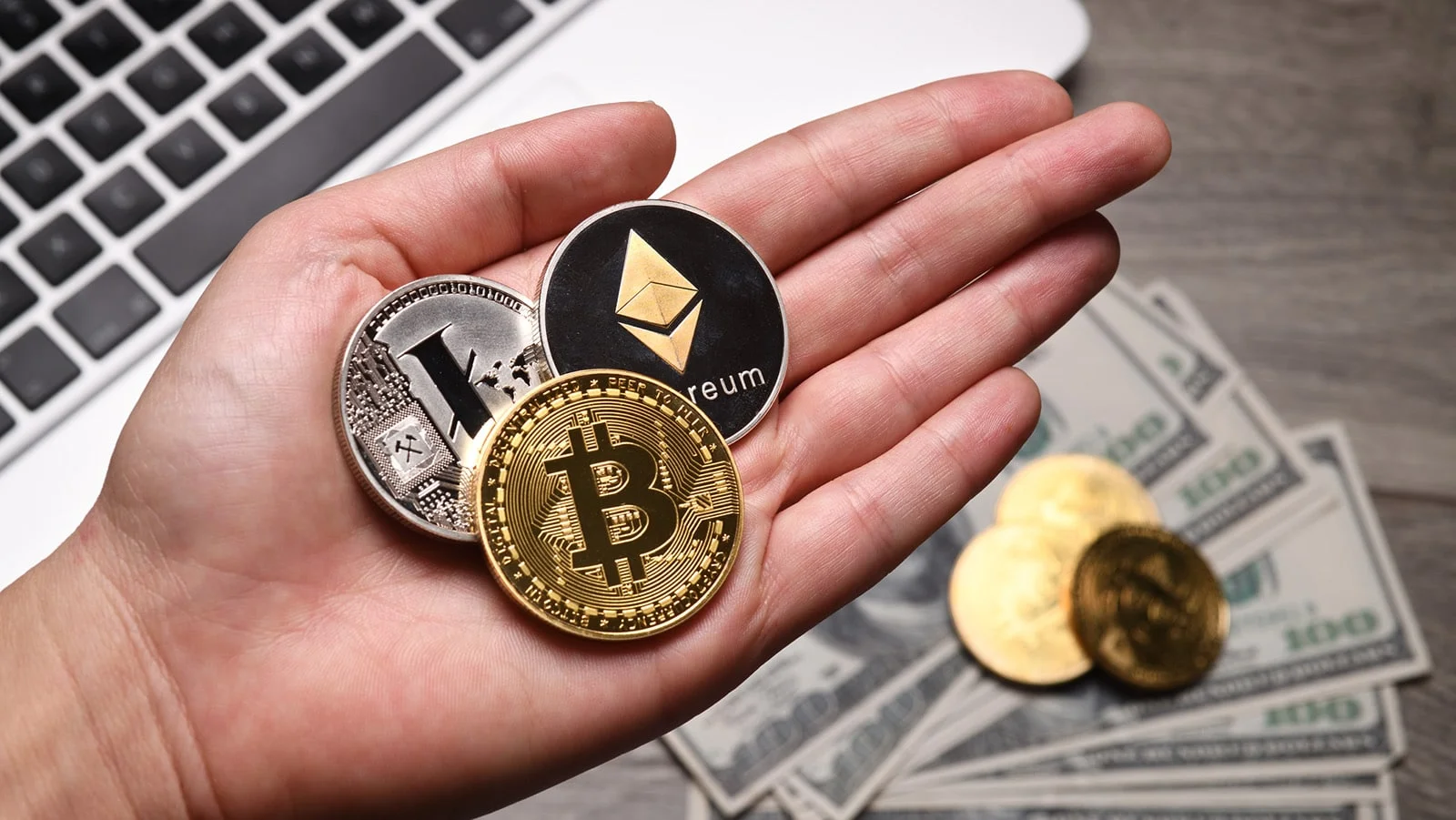
Bitcoin remains the largest and most widely recognised cryptocurrency, making it an important place to begin when examining market flows.
When investors become more confident about digital assets, Bitcoin often attracts attention first.
It has the longest history among major cryptocurrencies and is widely followed by both individual and professional investors.
But capital does not necessarily stay there.
During periods of strong market optimism, investors may begin looking for opportunities elsewhere. This can increase interest in Ethereum and other digital assets.
That shift is sometimes described as a move toward higher-risk parts of the market.
It can also make crypto markets appear much stronger than Bitcoin’s performance alone would suggest.
Then Come the Altcoins
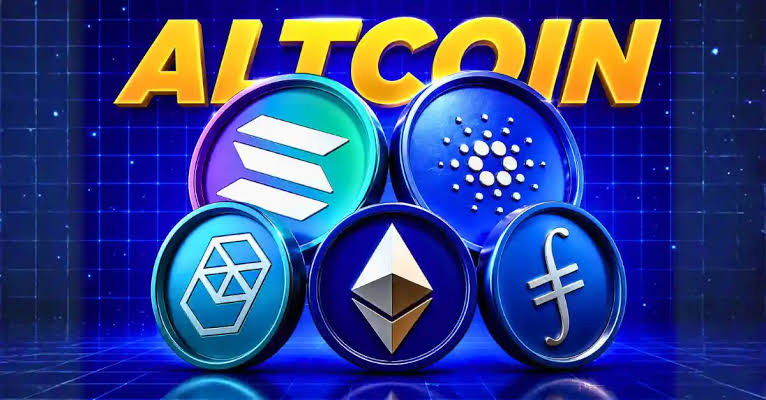
Altcoins can move dramatically because their markets are often smaller and more sensitive to changes in demand.
A relatively modest amount of new buying can sometimes have a much larger percentage effect on a smaller asset than it would on Bitcoin.
This creates opportunity, but it also creates risk.
A rapidly rising token can attract attention simply because it is rising. More people notice it, more social-media posts appear, and even more investors may become interested.
The cycle can feed itself.
But when enthusiasm disappears, the reverse process can happen just as quickly.
For this reason, a strong price increase should be treated as a signal to investigate—not as automatic proof that an investment opportunity has appeared.
Stablecoins Tell Another Story
Stablecoins provide a different window into the crypto market.
Their value is generally designed to remain relatively stable compared with highly volatile cryptocurrencies, so their importance is less about dramatic price appreciation.
Instead, they can provide liquidity within digital-asset markets and serve as a way of moving value between platforms and applications.
When activity involving stablecoins changes significantly, it can provide clues about broader market behaviour.
For European and German users, stablecoins are also particularly relevant because regulatory developments can influence how they are issued and used.
This is another example of how market activity, technology and regulation are becoming increasingly connected.
Institutional Money Changes the Conversation
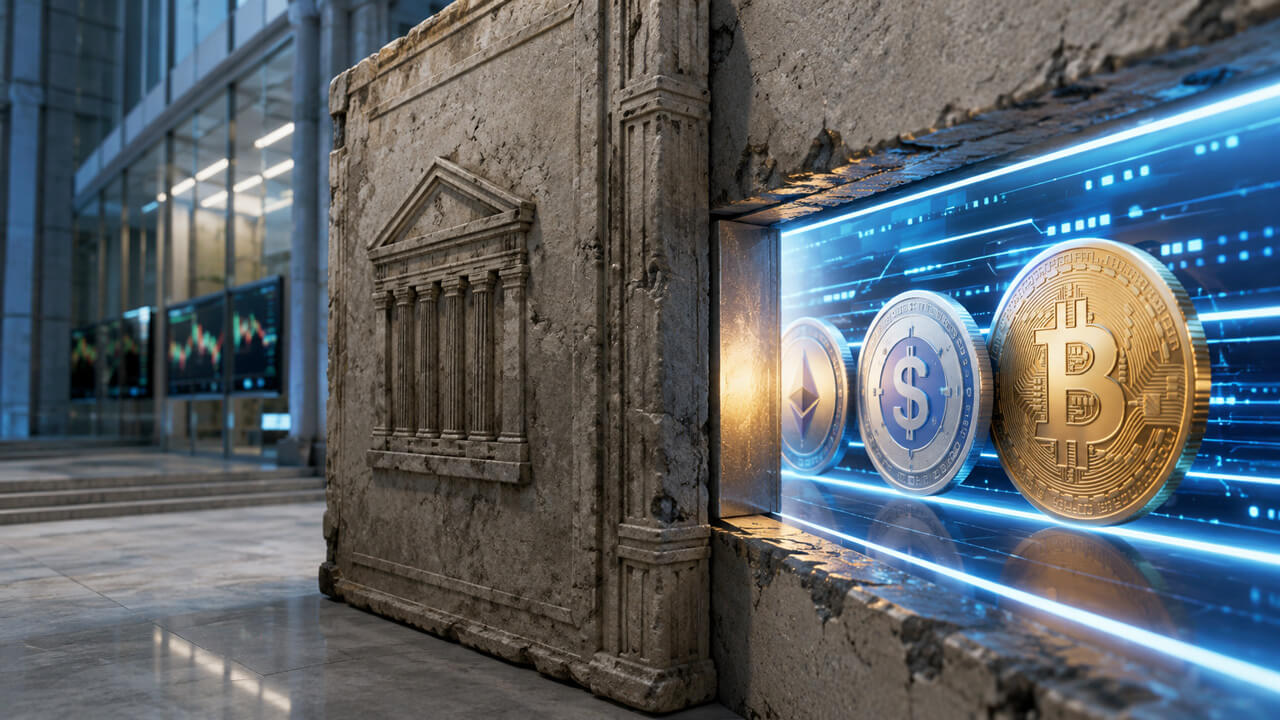
Perhaps one of the most important developments in crypto is the growing involvement of established financial institutions.
When professional investors enter a market, they tend to bring different expectations from individual traders.
They may focus on custody, liquidity, risk controls, regulation and long-term infrastructure.
They may also approach crypto through financial products rather than directly purchasing tokens.
This matters because institutional participation can gradually change the way digital assets fit into the wider financial system.
For Germany, the development is particularly interesting because the country has a large and established financial sector operating within the broader European market.
A bank or asset manager exploring digital assets does not mean that crypto has suddenly become risk-free.
It does suggest, however, that blockchain and digital assets are receiving attention from parts of finance that previously remained largely outside the sector.
Regulation Can Redirect Capital
Money does not move according to technology alone.
Rules matter.
If a particular market becomes easier for regulated companies to operate in, capital may become more comfortable entering it.
If compliance requirements become significantly more complicated, some businesses may reconsider their activities.
This is why regulatory news can have financial consequences even when the regulation itself does not mention cryptocurrency prices.
For German investors, European regulatory developments deserve particular attention.
The rules surrounding exchanges, stablecoins, custody and digital-asset services can influence which products become available and which companies are able to provide them.
The result can eventually be reflected in market activity.
Don’t Forget Traditional Markets
Crypto investors sometimes treat digital assets as though they exist completely independently from stocks, bonds, currencies and commodities.
In reality, investor behaviour often crosses between markets.
A change in interest-rate expectations can influence how investors think about risk.
A stronger or weaker currency can affect international capital flows.
A period of financial uncertainty can change how much risk investors are willing to take.
None of these relationships are perfectly predictable.
But ignoring them can leave out an important part of the picture.
Crypto may be different from traditional assets, but the people trading it still respond to the wider economic environment.
What Are Developers Doing?
Following money does not mean ignoring technology.
Capital often follows useful infrastructure.
If a blockchain becomes faster, cheaper or easier to use, developers may have more reasons to build on it.
If users find an application genuinely useful, activity can increase.
If businesses discover a practical reason to use tokenisation or blockchain-based settlement, investment may follow.
This creates an important distinction between speculation and adoption.
Speculative capital can arrive quickly and disappear just as quickly.
Capital supporting useful infrastructure may have a much longer time horizon.
For anyone following crypto news, watching both is valuable.
A Simple Way to Read the Next Market Story
The next time you see a headline about a cryptocurrency moving sharply, pause before forming an opinion.
Ask:
Where could the buying or selling pressure be coming from?
Is it individual traders?
Institutional investors?
A broader market move?
A regulatory development?
A technological announcement?
Or simply a wave of speculation?
Then ask another question:
Is this money likely to stay?
That is much harder to answer, but it is often more useful.
A temporary burst of trading can create an impressive chart.
Long-term adoption usually develops much more quietly.
The Bigger Picture for German Crypto Readers
Germany’s crypto market is connected to everything happening beyond its borders.
Capital can move internationally.
Technology is developed globally.
Major exchanges serve customers across multiple countries.
European regulation affects businesses operating across the region.
And financial institutions increasingly operate across traditional and digital markets.
That means German investors should not look at crypto news through a purely local lens.
At the same time, global news should always be translated into a local question:
What does this actually mean for someone using crypto in Germany?
That question can eliminate a lot of unnecessary noise.
Follow the Movement, Not the Hype
Crypto will always produce dramatic charts.
There will always be another token attracting attention and another prediction claiming that the next major move is just around the corner.
But behind those headlines is something more fundamental: capital moving between assets, networks and financial products.
Understanding those movements does not guarantee successful investment decisions.
It does provide a clearer view of what is happening.
And for anyone following the crypto market from Germany, that may be far more valuable than chasing the loudest story of the day.