

The crypto market rarely stays quiet for long.
One week, Bitcoin dominates the conversation. The next, investors are talking about Ethereum, stablecoins, new blockchain projects or a sudden move in the altcoin market. For someone following crypto from Germany, keeping up can sometimes feel less like reading financial news and more like trying to follow a conversation that never ends.
But there is a better way to understand crypto news.
Instead of focusing only on whether prices are going up or down, it helps to look at the bigger picture: what is happening behind the market, why investors are reacting, and which developments could matter over the coming months.
Price Is Only the Beginning
When people hear “crypto news”, the first thing they usually check is the Bitcoin price.
That makes sense. Bitcoin remains the market’s most recognised digital asset, and major moves often influence the rest of the sector. A sharp Bitcoin rally can bring renewed attention to altcoins, while a sudden decline can quickly make investors more cautious.
However, price alone rarely tells the whole story.
Crypto prices can react to interest-rate expectations, investor sentiment, regulation, institutional activity, technological developments and broader economic conditions. Sometimes a seemingly small announcement can move the market more than a major product launch.
This is why experienced investors tend to look beyond the daily price chart.
The more useful question is not simply, “What happened to Bitcoin today?”
It is, “Why did it happen, and does the reason behind the move have lasting importance?”
Germany Has Its Own Crypto Perspective
For German readers, the international crypto market is only part of the picture.
Developments in the European Union can have a direct impact on how digital assets are offered, traded and marketed. Regulation, consumer protection, taxation and compliance are therefore important parts of the crypto conversation in Germany.
This gives German investors a slightly different perspective from someone following the market purely from the United States or Asia.
A major international exchange announcement may attract attention, but a European regulatory decision can sometimes have much more practical relevance for someone living in Berlin, Munich, Hamburg or Frankfurt.
The same applies to banks and financial institutions.
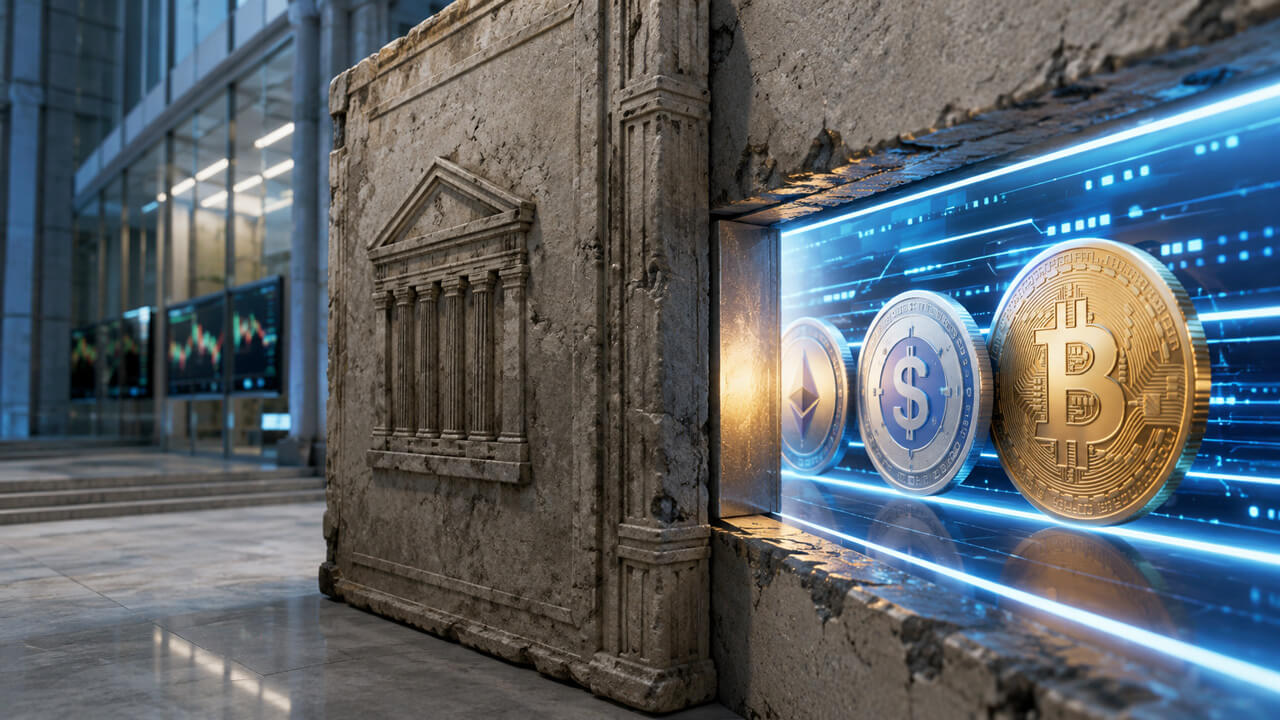
As digital assets become more familiar within traditional finance, the relationship between conventional banking and crypto is becoming an increasingly interesting area to watch. The market is no longer developing in isolation from the financial system.
Three Stories Can Move the Market
Crypto news generally falls into a few recurring themes.
The first is market news.
This includes Bitcoin and Ethereum price movements, trading volumes, market sentiment and major changes across the wider digital-asset market.
The second is industry news.
New exchanges, blockchain networks, wallet services, institutional products, partnerships and technological developments can all influence how the sector evolves.
The third is regulatory news.
This may not always sound exciting, but it can be among the most important developments for investors.
Rules surrounding crypto businesses, stablecoins, trading platforms and investor protection can influence which companies operate in a particular market and how consumers interact with digital assets.
For German readers, European regulation deserves particular attention because changes at the EU level can have consequences far beyond a single country.
Don’t Confuse Headlines With Signals
One of the biggest challenges in crypto is separating useful information from noise.
A headline saying that a cryptocurrency has “exploded” may attract thousands of clicks, but that does not necessarily mean the asset has become fundamentally stronger.
Likewise, a temporary price decline does not automatically mean that a project is failing.
Crypto markets are highly sensitive to sentiment. Social media can amplify both optimism and fear within minutes. A rumour can spread before anyone has checked the original source, and a dramatic headline can make a relatively ordinary development appear much more significant than it really is.
This is where a little patience becomes valuable.
Before reacting to a crypto story, investors should consider where the information came from, whether other reliable sources are reporting the same development and whether the event actually changes the underlying situation.
In other words: don’t let a headline make your investment decision for you.
Bitcoin Still Sets the Tone
Even with thousands of digital assets competing for attention, Bitcoin continues to play an important role in the broader crypto market.
Its movements often influence investor confidence across the sector. When Bitcoin performs strongly, interest can spread into other parts of the market. When it falls sharply, investors may reduce risk across their portfolios.
But Bitcoin’s importance does not mean every other cryptocurrency should be judged by its performance.
Ethereum, for example, has a different technological purpose and plays a major role in areas such as smart contracts and decentralised applications. Other blockchain networks focus on payments, scalability, tokenisation, decentralised finance or specialised applications.
That diversity is one reason crypto news remains such a broad field.
What Should German Readers Actually Watch?
For anyone in Germany who wants to follow crypto without becoming overwhelmed, a simple checklist can help.
Watch Bitcoin and Ethereum, but don’t obsess over every hourly movement.
Keep an eye on European and German regulatory developments, particularly when they affect exchanges, stablecoins, custody or consumer protection.
Pay attention to institutional adoption. When established financial companies begin offering digital-asset services, it can indicate that crypto is becoming more integrated with traditional finance.
Technology also matters. Improvements in blockchain scalability, transaction costs, security and usability can have a much longer-term impact than a short-lived market rally.
Finally, watch the broader economic environment. Crypto does not exist separately from global markets. Interest rates, inflation expectations, liquidity and investor risk appetite can all influence digital assets.
The Bigger Picture
Crypto news is most useful when it helps investors understand change rather than simply react to it.
The market will continue to produce dramatic headlines. Some will matter for years. Others will disappear within a few days.
For German crypto readers, the smartest approach is to connect the dots between market movements, technology, regulation and traditional finance. A Bitcoin price chart may tell you what happened, but the surrounding news can help explain why.
And that distinction matters.
The next major crypto opportunity may not arrive with a loud announcement or a spectacular price candle. It could begin quietly with a regulatory change, a new financial product, a technological improvement or a shift in how ordinary consumers use digital assets.
That is why good crypto news is not simply about knowing what happened today.
It is about understanding what today’s development could mean tomorrow.